


On a battlefield where intense electronic jamming had crippled communications, a suicide drone—operating in a “black box” mode with all external…
This isn’t a science fiction movie, but rather an edge autonomous combat technology developed by the Swedish startup Scaleout Systems and deployed with NATO support. The company has taken a path that runs completely counter to the mainstream:Decisively abandon cloud-based large models like OpenAI that rely on the internet, and embed lightweight AI and federated learning technologies directly into end-user hardware.
The key to modern warfare is shifting entirely from “cloud computing centers” to “autonomous edge hardware.” And this technological revolution unfolding on the battlefield is sounding a deafening alarm for the global business world:In the cutthroat world of digital business, are you still going to leave your company’s core assets completely exposed and rely on the fragile “cloud”?
I. The Achilles’ Heel of the Cloud Giant (A Common Pain Point for the Military and the Business World)
Why are frontline weapons reluctant to use OpenAI? Because on the real battlefield, electromagnetic jamming and communication disruptions are the norm. Drones that rely on remote cloud servers become nothing more than scrap metal the moment their network connections are cut; and centralized data centers are sitting ducks—prime targets for enemy missiles.
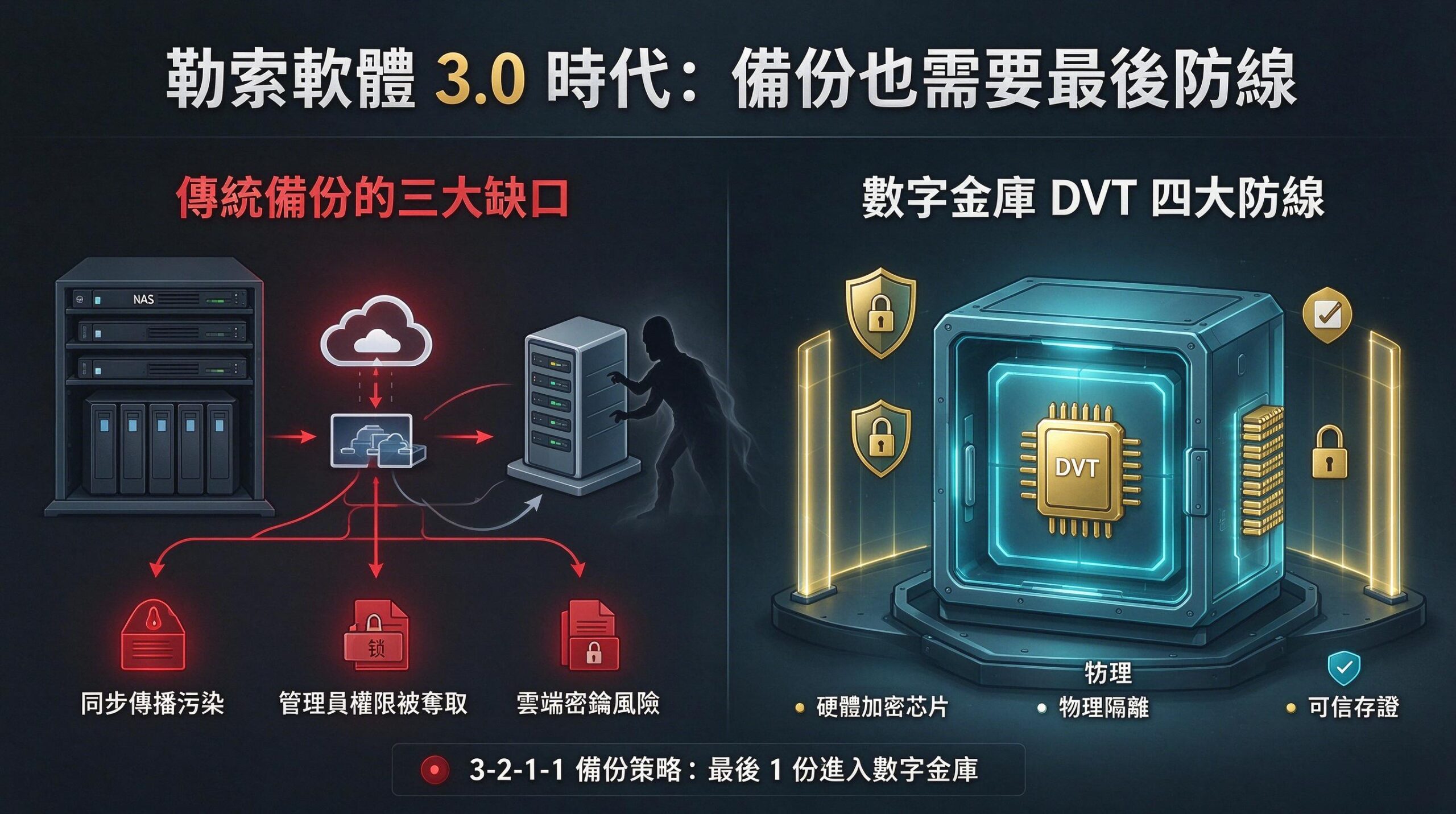
In the business world, the same kind of “war” plays out every day. Most businesses today—even law firms, accounting firms, and financial investment institutions that handle top-secret information—still rely heavily on public cloud backup and software-level encryption. But the reality is harsh:
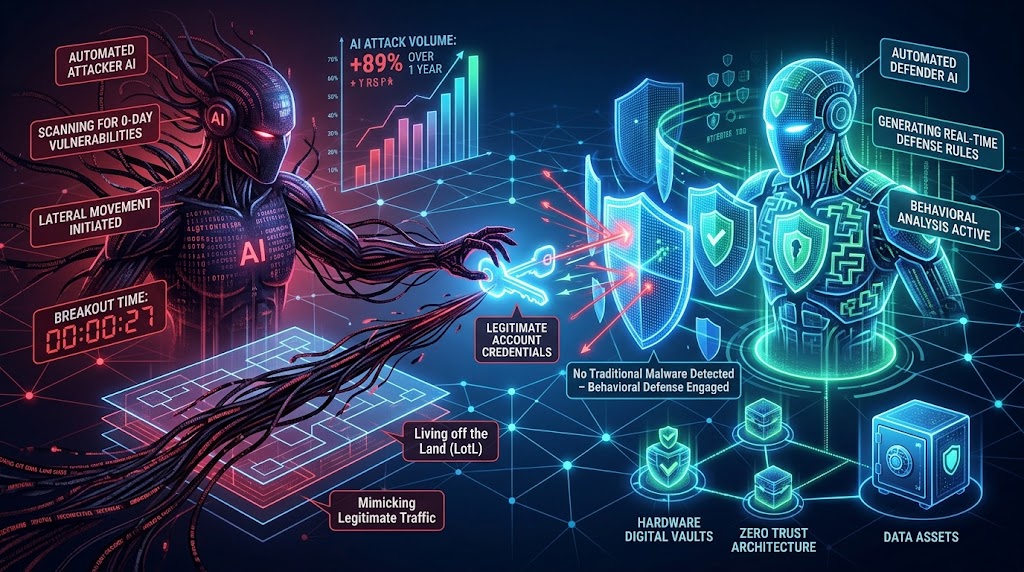
The “Dimension-Reducing Attack” of Ransomware”: It often takes as little as four hours to go from a hacker intrusion to a full-disk data-encrypting ransomware attack.
Risks Associated with Centralized Data Leaks: If a vulnerability is found in a cloud server or an internal issue arises at the cloud service provider, the company’s trade secrets and list of high-net-worth clients will face a catastrophic “all-or-nothing” loss.
While tech giants continue to rely on collecting your cloud data to train AI and generate profits, your core data assets have long since become a ticking time bomb that could go off at any moment.
II. Federal Networks and Edge Autonomy: Reshaping Security Boundaries
The reason Skyeot Systems' drones can operate offline comes down to two key features:
End-to-Side Offline Closed-Loop: Move away from the cloud, embed models into low-power onboard hardware, and perform fully autonomous computations offline.
Federated Learning: Each node undergoes self-evolution locally, transmitting only extremely small “model weight parameters” to one another,Never upload any raw image data。
This core principle—that “data never leaves local hardware and interactions take place exclusively at the encrypted edge”—is the ultimate solution to combating all network intrusions and centralized failures.
III. From the Battlefield to the Business Arena: “Digital Vault”—A Company’s Perimeter Defense Armor
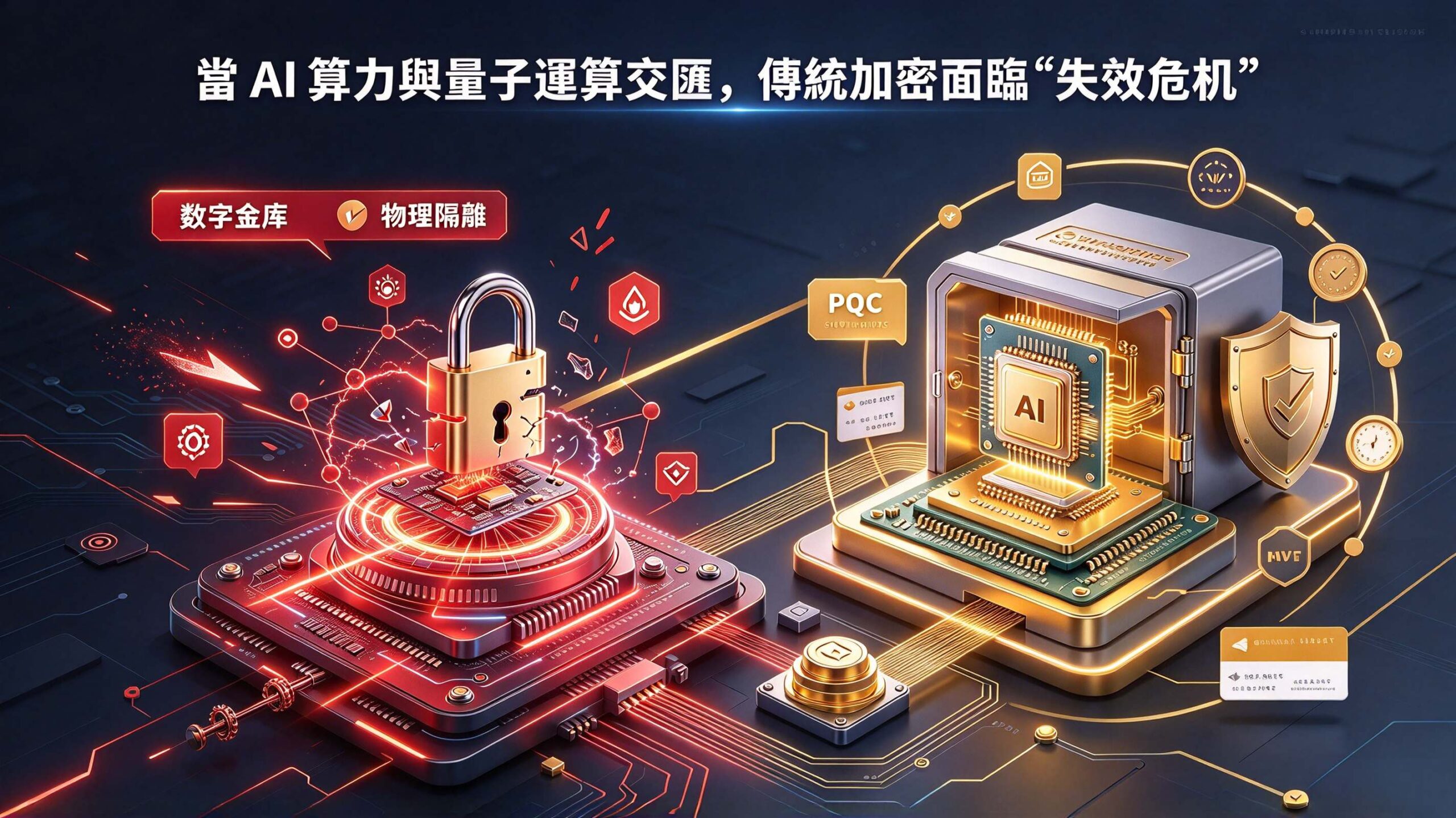
The adoption of military-grade defense concepts in the civilian sector often heralds a generational leap in civilian security technology. Faced with increasingly rampant ransomware attacks and digital asset crises, modern enterprises also need a set of “physical-level” armor that is independent of vulnerable public clouds.
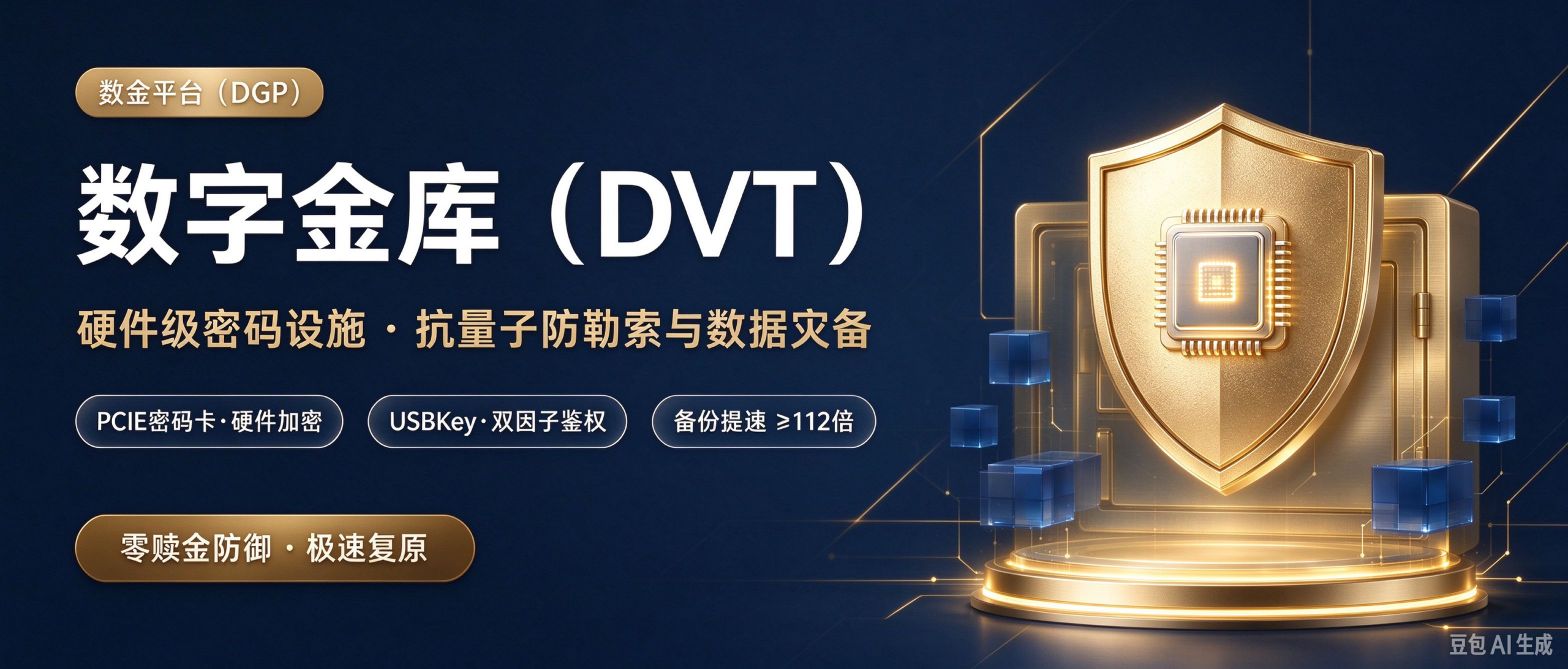
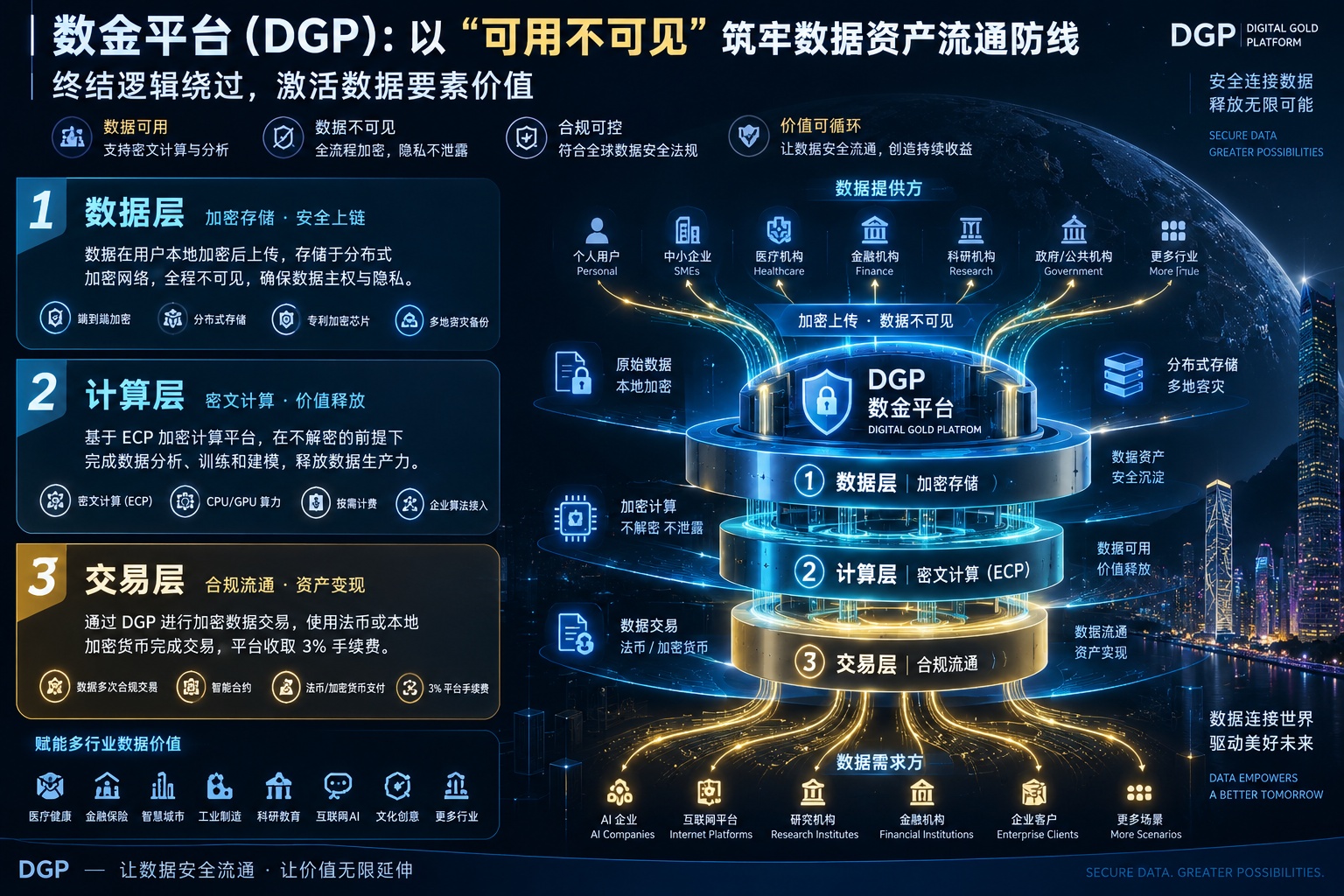
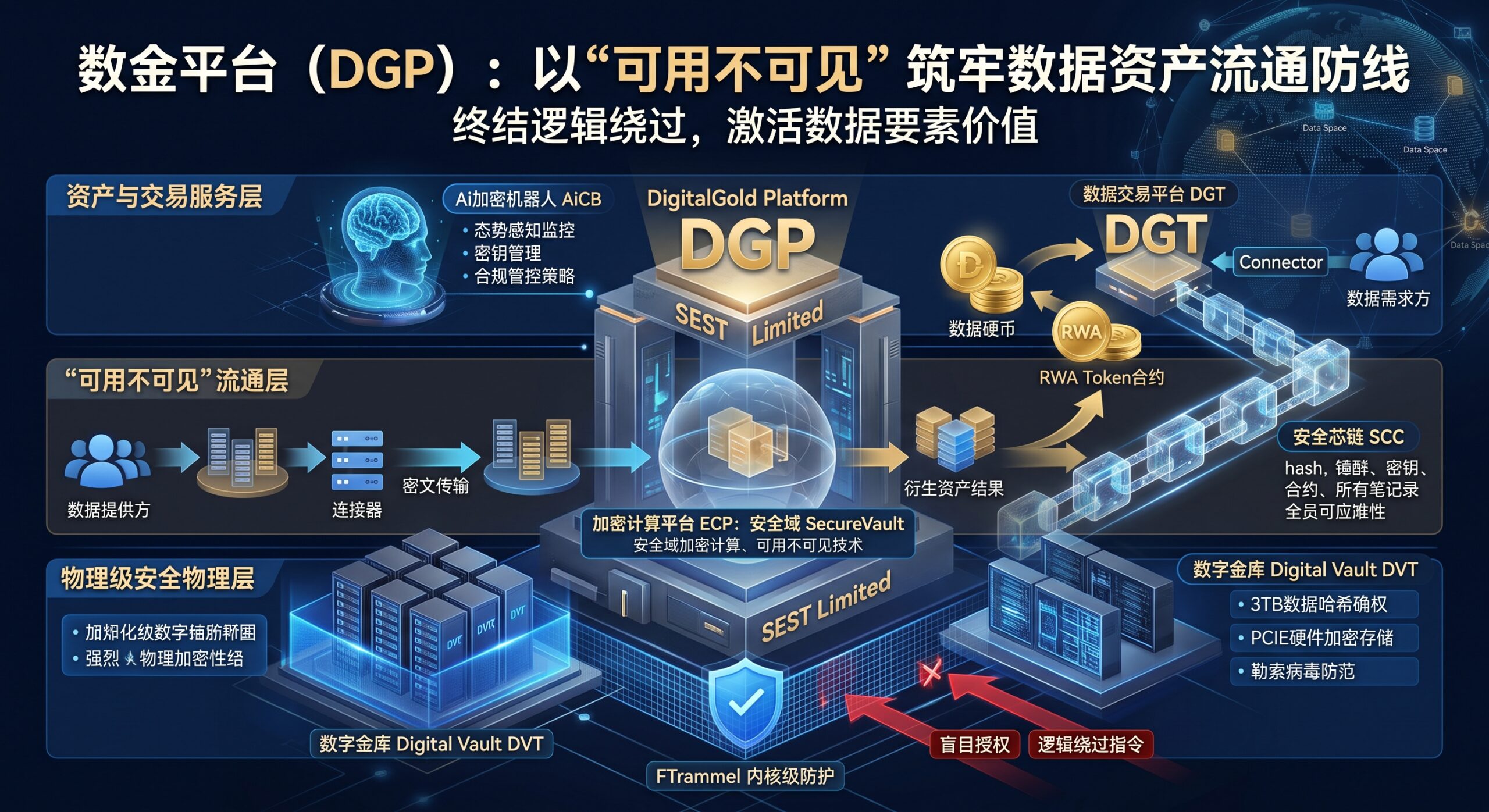
This is precisely the rationale behind SES Limited’s launch of “Digital Vault.” We have moved away from the traditional approach to cloud-based software encryption and created “edge-autonomous nodes” tailored for high-value communities:
A closed-loop, hardware-only encryption system that eliminates “unprotected data in the cloud” Just as drones rely on onboard hardware for computations when offline, the Digital Vault (DVT device) uses the underlyingHardware Encryption...which physically blocks hackers from launching large-scale attacks through cloud networks. Even in the face of the most rampant ransomware, a physically isolated digital vault will keep your core data as secure as a rock.
Data Ownership and Asset Preservation (Data Sovereignty) In an era when AI giants are freely harvesting data from the cloud, “data is wealth.” A digital vault is not only a defensive tool, but alsoDigital Asset Registration Center. It ensures that law firms’ case files, corporate financial statements, and family office asset information 100% remain under their own control, enabling businesses to truly treat their data as assets and even laying the groundwork for future compliance and title verification in connection with Web3 and RWA concepts.
A Distributed, Private, Secure Network Avoid the high-risk practice of “putting all your eggs in one cloud basket.” By deploying digital vault devices, enterprises can establish a “federated network”—similar to military drones—across their various branches. Data is retained locally and flows securely and collaboratively, satisfying the stringent compliance audit requirements of the professional services sector while completely eliminating the source of data leaks.
Whether on the smoke-filled front lines of the Russia-Ukraine conflict or in the smoke-free arena of business competition, the era of blindly relying on “centralized cloud” is coming to an end. Edge computing and hardware-level autonomy are the only sources of security in this era of uncertainty.
Now that drones on the battlefield have learned to “survive offline,” it’s time to secure your company’s most valuable assets in a “digital vault.”
Digital Vault (DVT) breaks away from the traditional cost-based mindset of simply “buying hard drives and making backups.” It establishes a secure…
- Product Technical Specifications and Solution Inquiries:https://secures.hk/
- Official Service Email Address:info@secures.hk

DVT Digital Vault - Over 20 years of chip-level encryption technology to accumulate data sovereignty, starting now.