

Compliance Notice
This article is intended solely to provide general information about the digital economy and the data element industry and does not constitute any investment or trading advice; The circulation of data assets and the monetization of data mentioned in this article must strictly comply with laws and regulations such as the *Data Security Law* and the *Personal Information Protection Law*. Any collection or transfer of personal information must obtain the explicit authorization of the individual concerned. The unauthorized resale of citizens’ private information is strictly prohibited, and illegal data-related criminal activities must be eradicated.
Many ordinary people believe that “data as a production factor” is a specialized concept that only businesses, major internet companies, and financial institutions need to study—one that has nothing to do with their daily work or consumer lives. In the eyes of the public, the behavioral records left behind from watching short videos, shopping online, tracking fitness activities, and handling affairs online are merely insignificant digital traces. However, as the nation continues to advance the market-oriented development of the data element sector, data has officially become the fifth factor of production—alongside land, labor, capital, and technology. It has long permeated every aspect of daily life—from clothing, food, housing, and transportation to employment, entrepreneurship, and asset planning. Understanding the data element is, at its core, about safeguarding one’s own rights and interests and seizing the opportunities of our time.
I. Understanding Data Elements Is Key to Protecting Personal Privacy and Financial Security
The browsing history, shipping addresses, health data, credit reports, and social security information we generate every day are all valuable personal data elements. Without a basic understanding of these issues, it’s easy to overlook the chain reaction of risks caused by data breaches: Casually granting apps access to your contacts, facial recognition, and location data; failing to deactivate inactive accounts; and carelessly entering your ID number and cell phone number into unfamiliar links—all of these actions can lead to personal information flowing into the gray market, fueling issues such as telecom fraud, targeted marketing, and credit identity theft.
Only by understanding the laws and regulations governing data elements can ordinary people clearly understand their legal rights: Platforms must provide advance notice and obtain explicit consent before collecting personal information, and we have the right to withdraw consent, delete our personal data, and access our own information stored by the platform at any time. Distinguishing between “de-identified commercial data” and “private data that must not be disclosed” and proactively avoiding situations involving excessive authorization are the most fundamental means of self-protection in the digital age.
II. Understanding the Logic Behind Data Value and Identifying Income-Generating Opportunities for Ordinary People
Traditionally, it was believed that all revenue generated from data belonged to the platform, but today’s compliant data element market has established a legal pathway for individuals to participate in the distribution of value.
For ordinary office workers and small business owners, behavior and business data that has been properly de-identified and made compliant holds market value: authorized occupational data from the gig economy workforce can be traded on compliant data exchanges; and de-identified consumer traffic data from brick-and-mortar store owners can be used to optimize supply and demand within the industry and secure business credit lines; When ordinary people submit compliant, de-identified lifestyle data samples, they can provide material for training AI models and earn reasonable compensation.
Many regions have already implemented mechanisms for personal data asset certificates. Personal credit and business data that have been verified and confirmed as compliant can serve as credit credentials to facilitate low-interest loans and startup financing, transforming intangible data elements into tangible financial support. However, the core prerequisite is to clearly define the boundaries of compliance: only data that has been de-identified, anonymized, and stripped of personal identifiers may be circulated. The private trading of data containing private information—such as names, cell phone numbers, and facial images—is strictly prohibited, and those who cross this red line will face legal consequences.
III. Understanding Data Elements to Meet the New Demands of the Era for Employment and Entrepreneurship
As the digital economy takes full hold, industries across the board are advancing their digital transformation; understanding the fundamentals of data elements will become a universal competitive advantage in the workplace.
In the workplace: Roles in administration, sales, operations, manufacturing, and other fields all rely on data to optimize their work. Professionals who can recognize the value of data and effectively manage data compliance have a stronger advantage when it comes to career advancement; Emerging roles such as data compliance specialists, data asset managers, and digital industry consultants all require a foundational understanding of data elements to enter the field.
At the entrepreneurial level: Small and medium-sized entrepreneurs and sole proprietors can leverage data elements to optimize their operations. By accumulating their own compliant operational data, they can accurately identify customer needs and reduce inventory losses; at the same time, they can use compliant data platforms to connect with supply chain resources and expand their business channels. Business owners who do not understand the rules governing data elements are highly prone to issues such as data non-compliance, waste of data resources, and undervaluation of assets, thereby missing out on development opportunities.
IV. Recognize the Overall Trends in the Industry and Develop a Long-Term Perspective on Digital Assets
In the past, within corporate financial systems, investments in systems and data were uniformly classified as costs and depreciated as hardware was replaced. However, following the market-oriented reform of data as a production factor, data that has undergone compliance verification and encryption and is held in trust has transformed into intangible assets that can be accumulated over the long term and continue to appreciate in value.
This logic applies equally to ordinary people: consistently maintaining and properly safeguarding your own compliant data over the long term is tantamount to accumulating personal digital assets. In the future, compliant data assets will serve as a key reference standard for comprehensive personal evaluations, business partnerships, and startup financing. By cultivating an awareness of data asset management early on, using legitimate encrypted storage tools to properly preserve personal compliance data, and preventing indiscriminate disclosure or unauthorized sharing, individuals can reap the long-term benefits of the digital economy’s growth.
Summary
Data elements are not just abstract industry jargon; they are a new type of production resource embedded in everyone’s daily life.
Understanding this is the first step toward safeguarding your privacy and financial security and avoiding harm from the illegal data trade;
Second, seize opportunities to increase revenue through compliance-driven monetization and financing for startups;
Third, enhance competitiveness in the workplace and keep pace with the digital transformation of the industry.
The benefits of the digital age will always go to those who understand the rules and know how to manage their own data. Only by adhering to compliance standards, scientifically understanding, and properly managing personal data can we navigate the digital wave steadily and successfully.
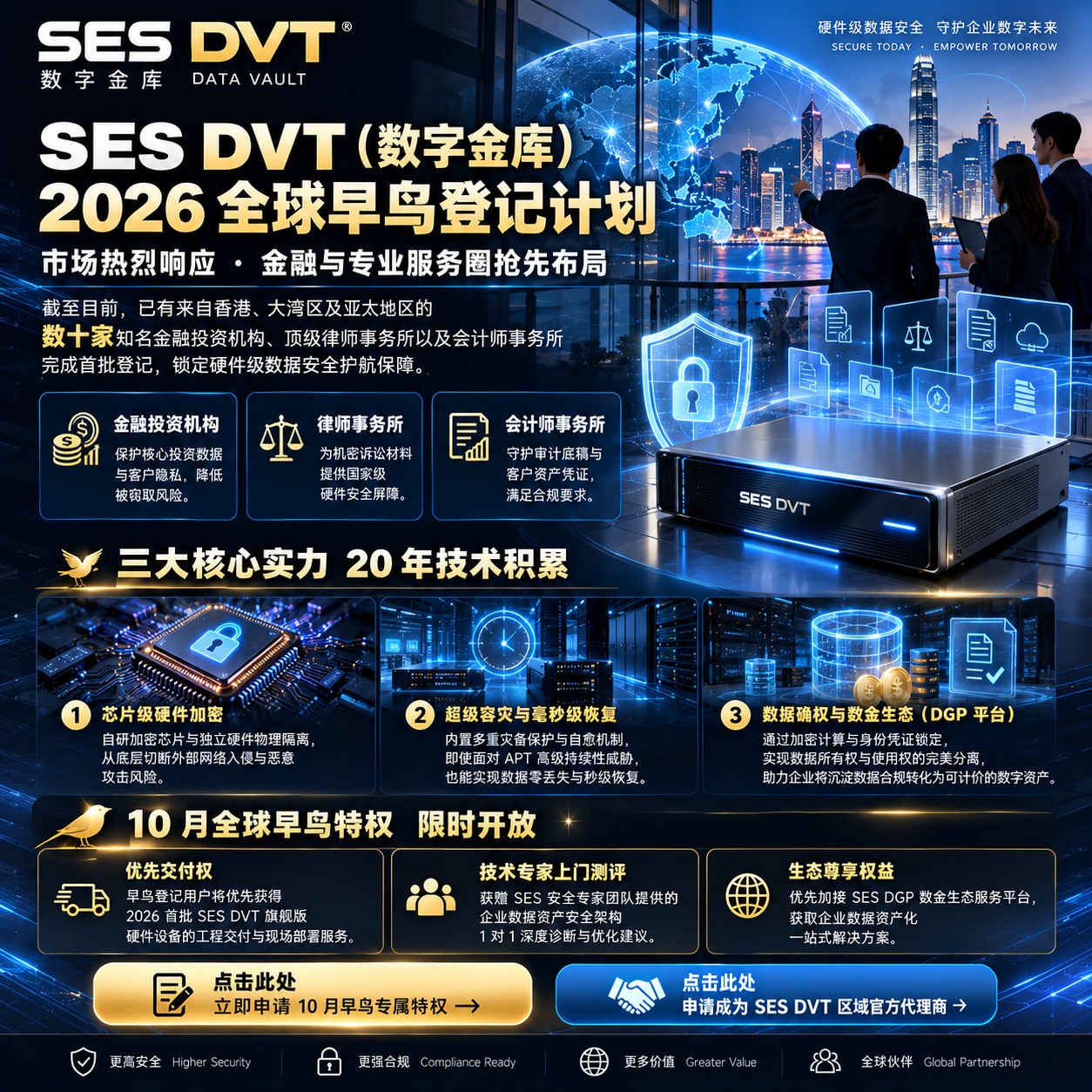
Based in Hong Kong and expanding globally, we cordially invite partners from all sectors to visit our Asia-Pacific headquarters in Hong Kong for in-depth discussions, so we can work together to pioneer new frontiers in data assets and embark on a new journey in the digital economy!
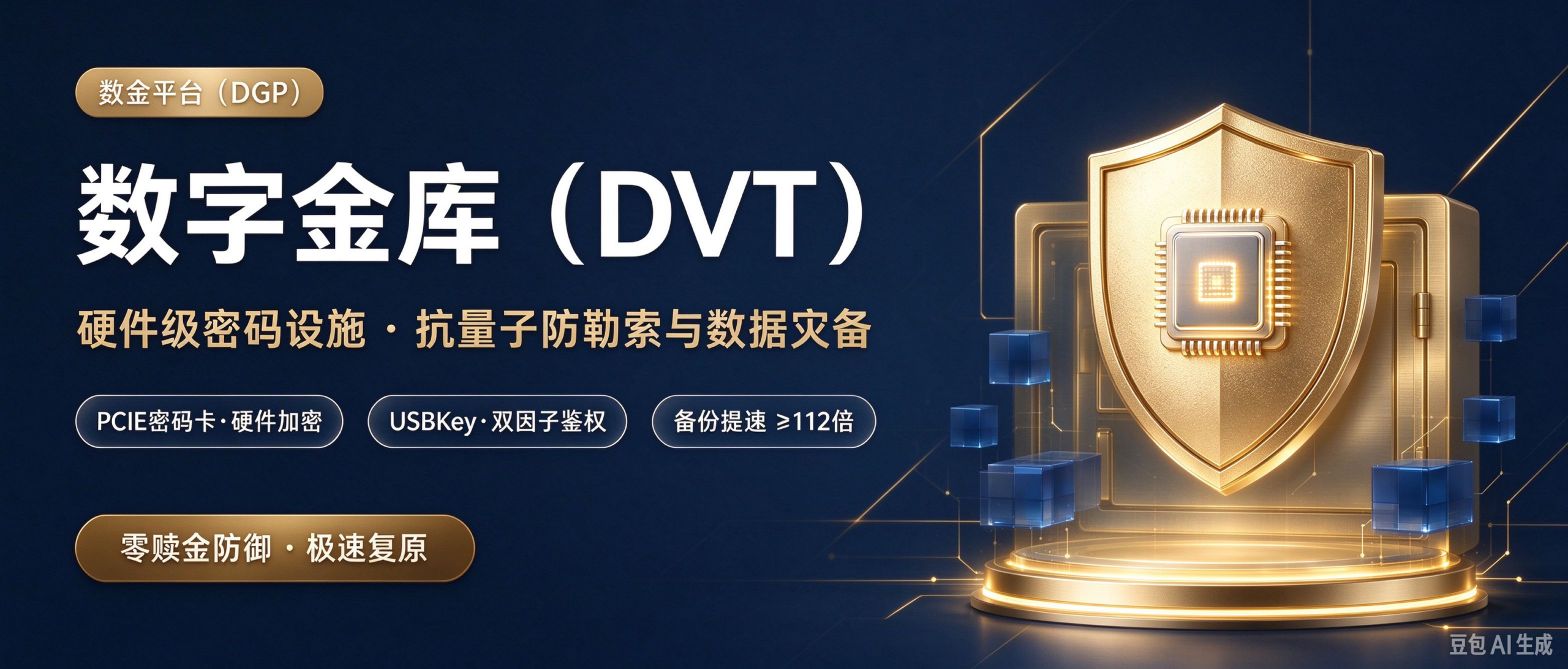
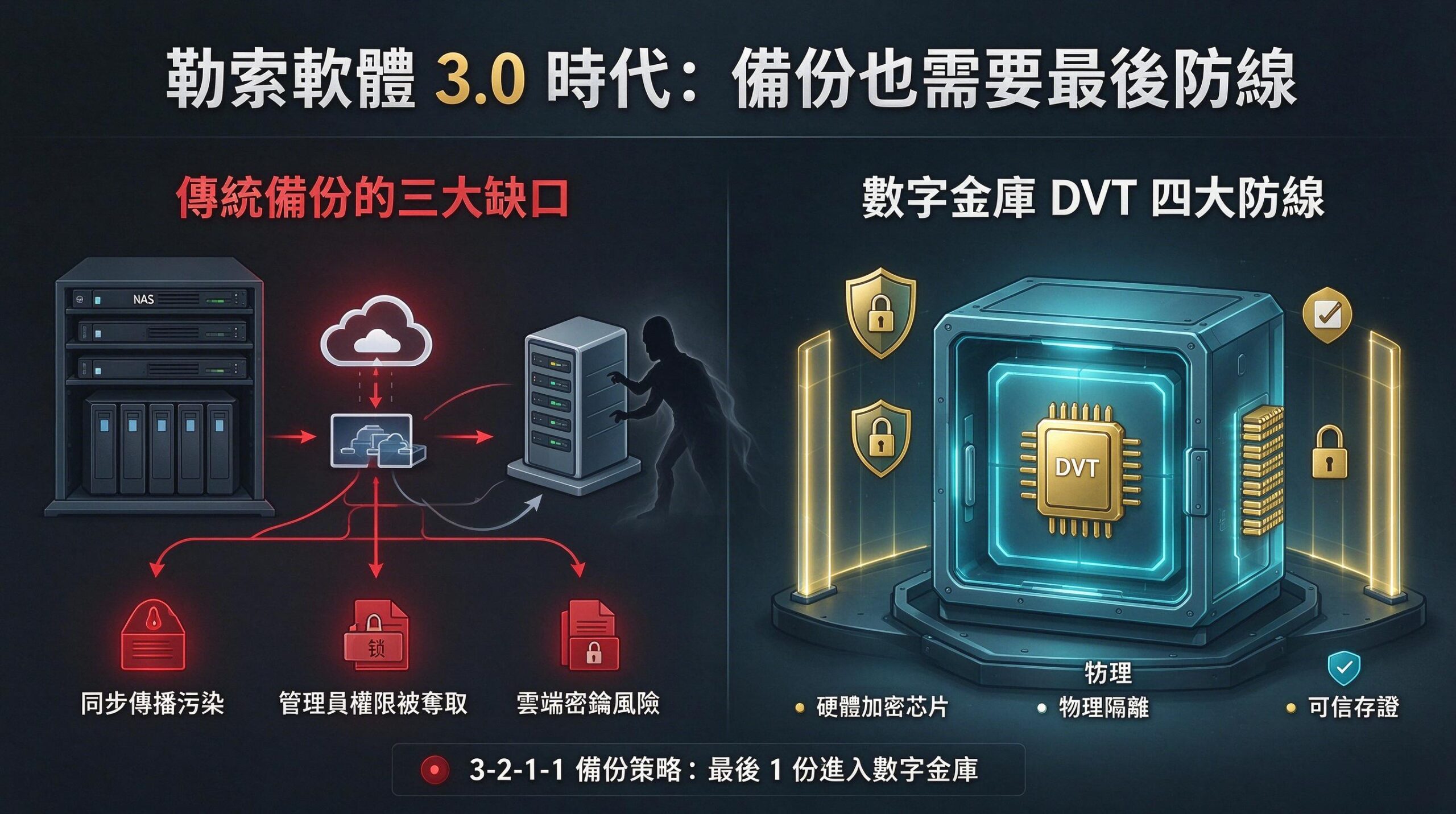
Digital Vault Committed to providing full-lifecycleConfidentiality Management, Dynamic Key Rotation, and AI Supply Chain Risk Management.
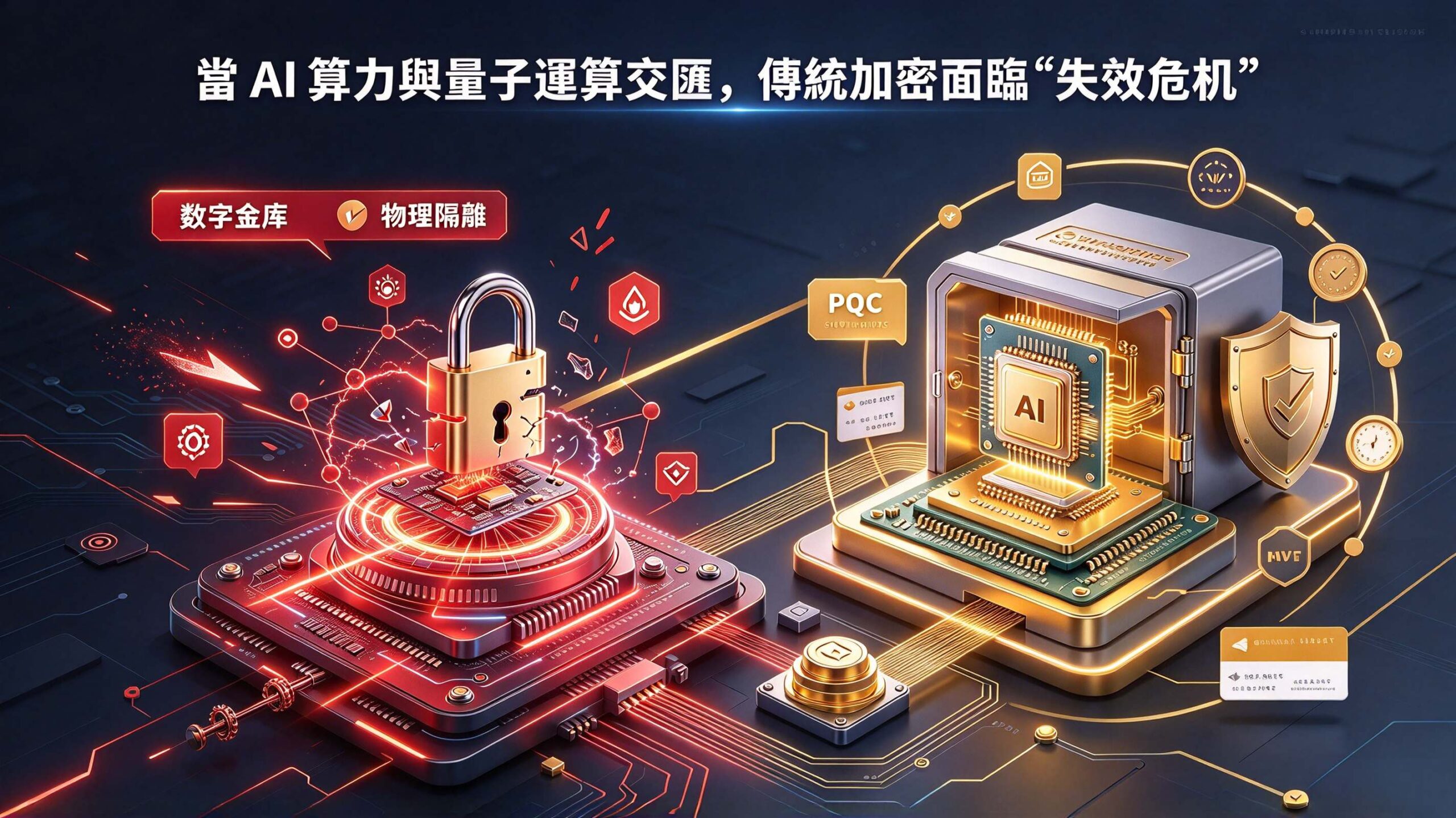
Before risks are exploited as attack vectors, understand them and, through Digital Vault Strengthen the security of your digital and AI supply chains.
Contact us:www.sest.com.hk | info@sest.com.hk

DVT Digital Vault - Over 20 years of chip-level encryption technology to accumulate data sovereignty, starting now.