



admin
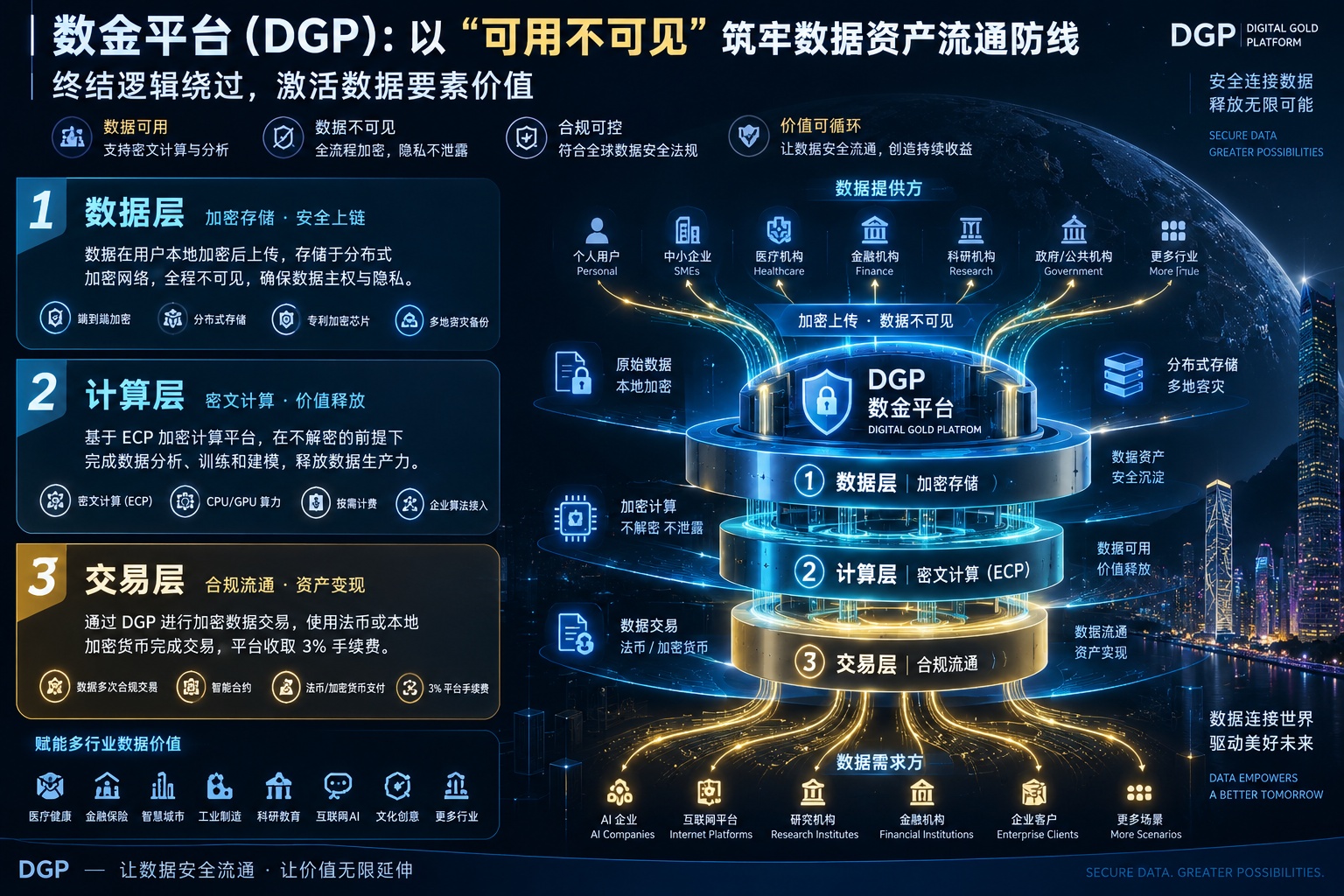
As digital transformation accelerates, data has become the most critical factor of production for enterprises; however, “gaps in the foundation” of data storage are emerging as a critical vulnerability. Traditional plaintext storage not only offers a fragile defense against ransomware and cyber intrusions but also faces widespread, real-world threats such as a lack of disaster recovery drills and permanent data loss due to hardware failure. If data cannot be securely preserved and fully restored, any subsequent data flow or value creation will be nothing but empty talk....

In early September 026, a series of major security incidents occurred in the digital asset sector. The Liquid Network sidechain treasury suffered an unauthorized withdrawal resulting in a loss of approximately $320 million, and shortly thereafter, the Chainflip cross-chain protocol lost over 700,000 USDT due to a logic vulnerability....

Many ordinary people believe that “data elements” are a specialized concept that only businesses, major internet companies, and financial institutions need to study—and that it has nothing to do with their daily work or consumption habits. In the eyes of the public, the behavioral records left behind—whether from watching short videos, shopping online, logging workouts, or handling official business online—are nothing more than insignificant digital traces....

However, a 2025 Gartner report stated that the backup systems of 68% enterprises worldwide had never been tested, and when the time came to use them, the success rate for disaster recovery was less than 30%. “Having a backup” and “having a reliable backup” are two different things....

A company you’ve probably never heard of—but one that may have “indirectly fueled” the AI products you use every day—became the latest target for hackers to boast about their exploits in March 2026. Its name is Mercor—an AI recruitment and data annotation startup valued at $10 billion, with a client list that includes OpenAI, Google, Meta, Microsoft, and Anthropic. What it lost was approximately 4 TB...

Examine the risks associated with tool usage and data management through six AI data breach cases, and explore how businesses can assess their needs for sensitive data access, encryption, and backup....

The use of artificial intelligence and open-source software in modern application development is becoming increasingly widespread and continues to grow rapidly. At the same time, the dependencies integrated into the development process are expanding an organization’s attack surface...

As the digital revolution sweeps the globe, data has become a core competitive advantage for businesses. However, traditional financial systems classify data investments as operating expenses, which depreciate as hardware is upgraded, causing their value to steadily decline....
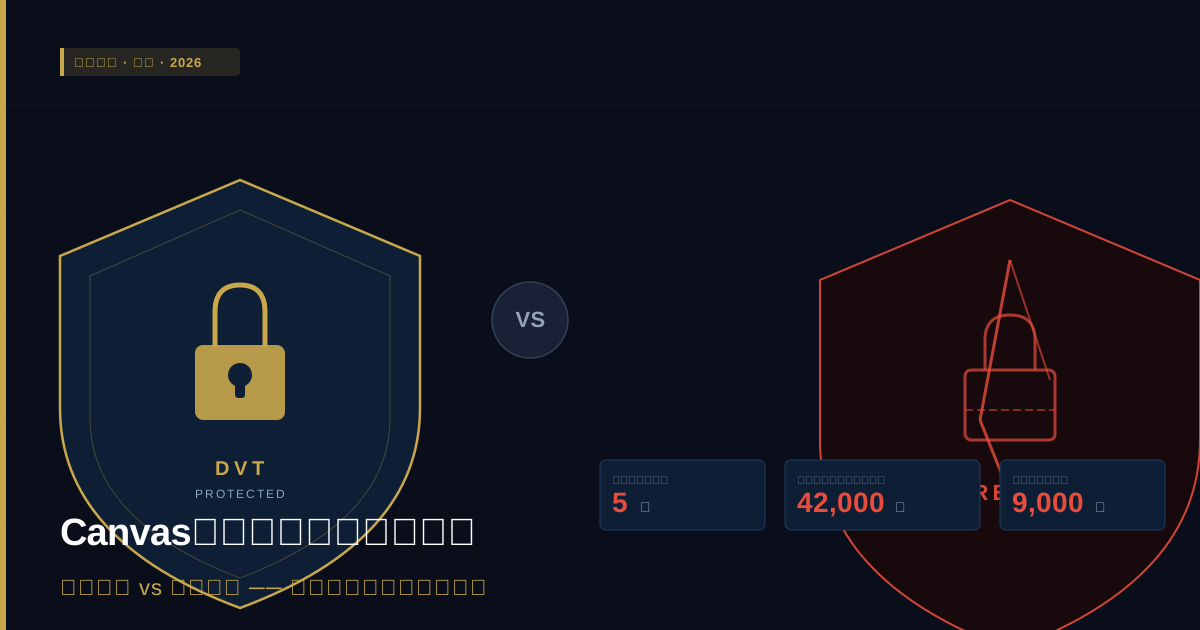
In May 2026, five local organizations, including the Hong Kong Polytechnic University, the Hong Kong University of Science and Technology and the Hong Kong Academy for Performing Arts, notified the Office of the Privacy Commissioner for Personal Data (PCPD) of the leakage of information from the Canvas online teaching platform, which is used by more than 9,000 institutions around the world, after a suspected large-scale intrusion. The names and email addresses of more than 42,000 PolyU students and staff fell into the hands of hackers overnight....

GitGuardian's latest report shows that 28.65 million keys have been compromised on the GitHub platform alone, and the popularity of AI is exacerbating the risk. 28.65 million! That's not the number of users leaked, that's not the number of files leaked - it's the number of active keys that can directly log into the system, read databases, call APIs....