


GitGuardian's Latest Annual Report Reveals: In the Age of AI, Enterprise Data Leaks Are Getting Out of Control at an Unprecedented Rate This week, a single figure silenced the entire security community. GitGuardian's latest report reveals that 28.65 million keys have been leaked from the GitHub platform alone, and the popularity of AI is exacerbating the risk. 28.65 million! That's not the number of users that were compromised, not the number of files that were compromised - it's the number of active keys that can directly log into the system, read the database, and call the API.
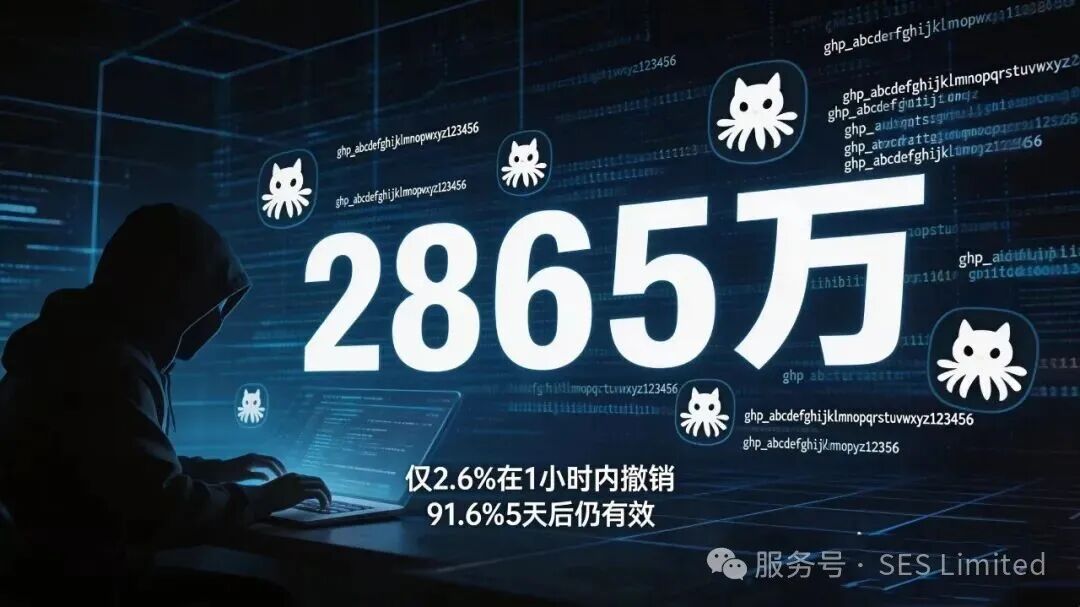
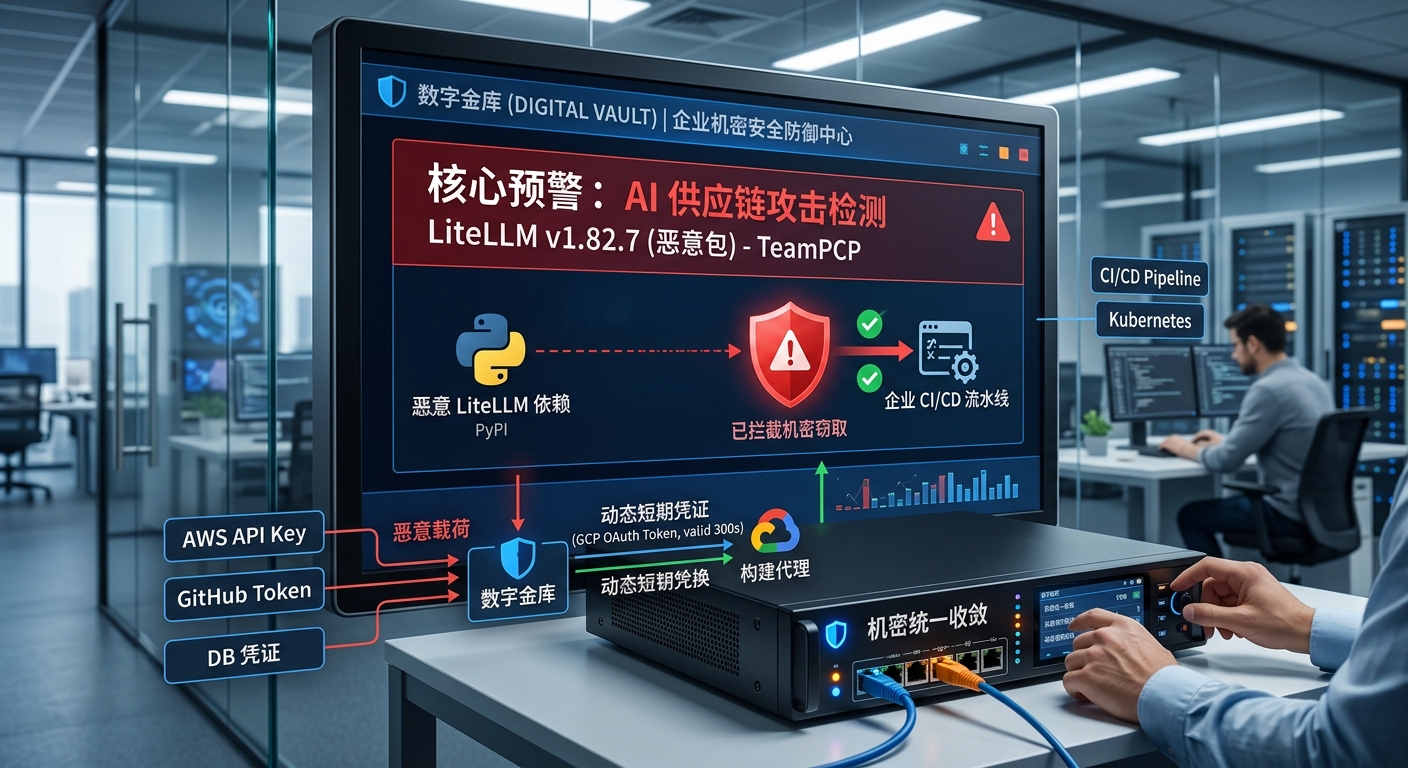
What's even more chilling: only 2.6% of these leaked certificates will be revoked within the first hour of the leak, and as much as 91.6% of them will remain valid after 5 days. In other words, hackers have plenty of time to turn your system upside down with your leaked key. Meanwhile, just this month, Apifox, a domestic API collaboration platform, was hit by a supply chain poisoning attack, with an active window of 18 days, and tens of thousands of developers' SSH keys, Git credentials, and database passwords were silently retrieved and uploaded to the attacker's servers. This is not an example, this is the daily life of enterprise data security in 2026. Many business owners think: our company is not that big, hackers won't be watching us. This is the most dangerous misconception.
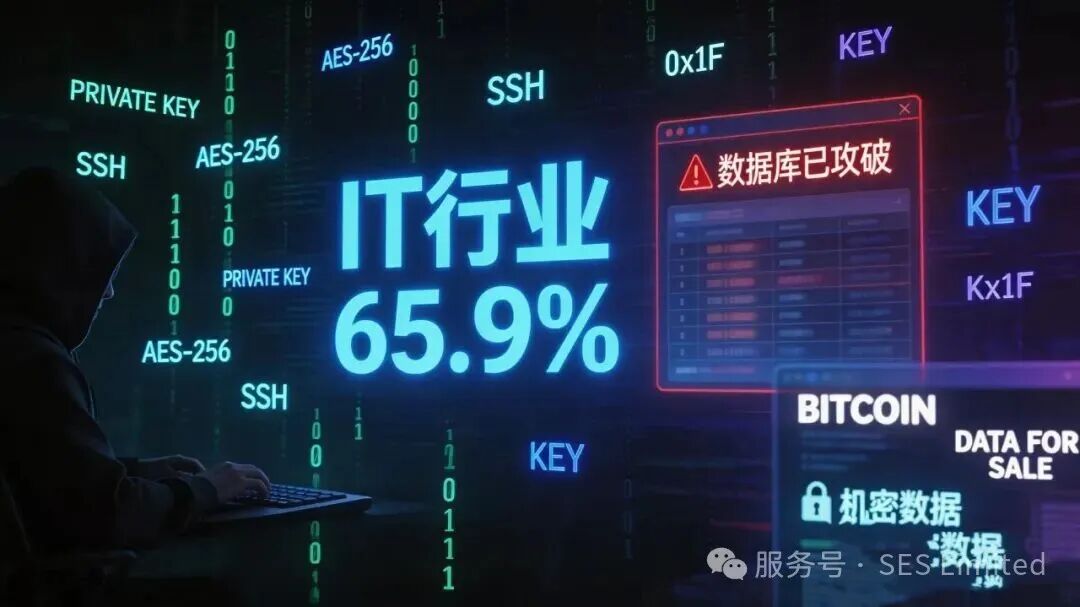
The most serious GitHub key leakage is in the IT industry, accounting for 65.9%, followed by the education industry, and other industries including retail, manufacturing, finance, and healthcare. Attackers don't pick the size of their target, they just look at whose door is unlocked. What does a key leak mean? Let's put it into perspective with a real-life logic: a developer at your company accidentally submits a database password to the code warehouse during a debugging session. Forty-eight hours later, an attacker uses that password to log into your customer database. Your 100,000 customers' data silently appears on the dark web marketplace. In 2025, information-stealing malware led to the compromise of more than 300,000 ChatGPT credentials, and the number of ransomware and extortion organizations spiked by 49% year-over-year, a trend that is accelerating as we enter 2026. Keys are not a technical issue, they are a matter of life and death. Business managers often think that this is a matter for the IT department. But in fact, the root cause of key leakage comes precisely from the most common operations in daily work:
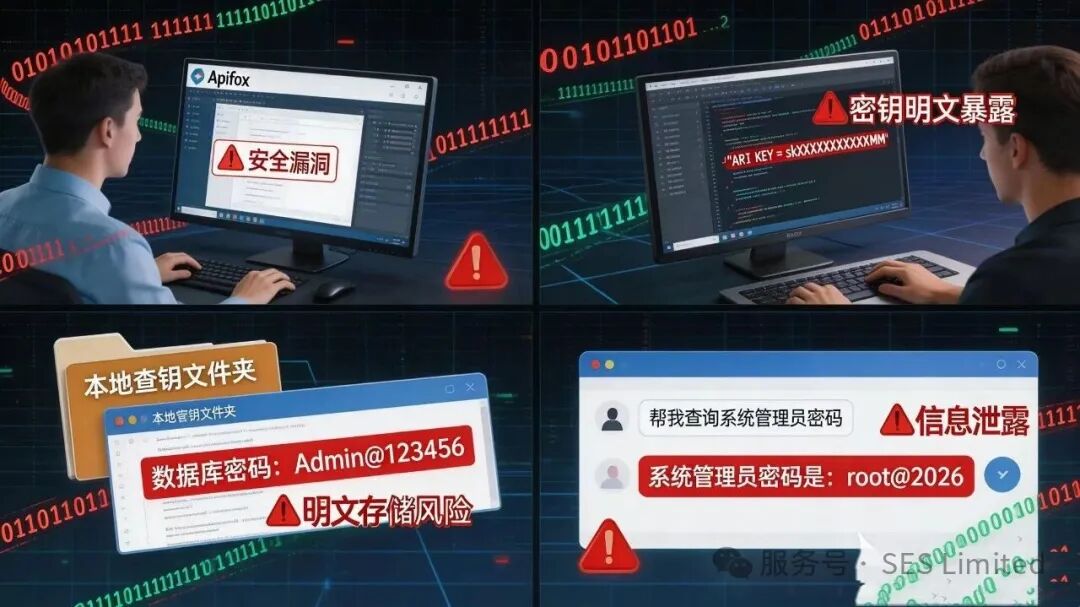
Employees using a vulnerable office tool - like Apifox in this case - are hit as soon as they open it, with no sense of what's going on. Developers are accustomed to writing keys into the code - for easy debugging and global visibility upon submission. The key is stored in the local computer's plaintext folder - any vulnerable software can read it. A recent GitGuardian report states that keys are not just leaked from Git, they accumulate in the memory of file systems, environment variables, and AI agents. The ubiquity of AI tools has opened up another avenue for leaks. The phrase ”Connect me to the database, the password is...” that you send to an AI agent is becoming a new leakage channel. In the end, there's only one conflict at the heart of this battle: your key exists in a place where software can reach it. Apifox can touch it, GitHub can touch it, any vulnerable tool can touch it. So no matter how complex your passwords are and how strict your permissions are, as long as the key is still within the reach of the software, there is always a chance that it will be stolen. To solve this problem, you don't need four features, you just need one action: take the key off the network.
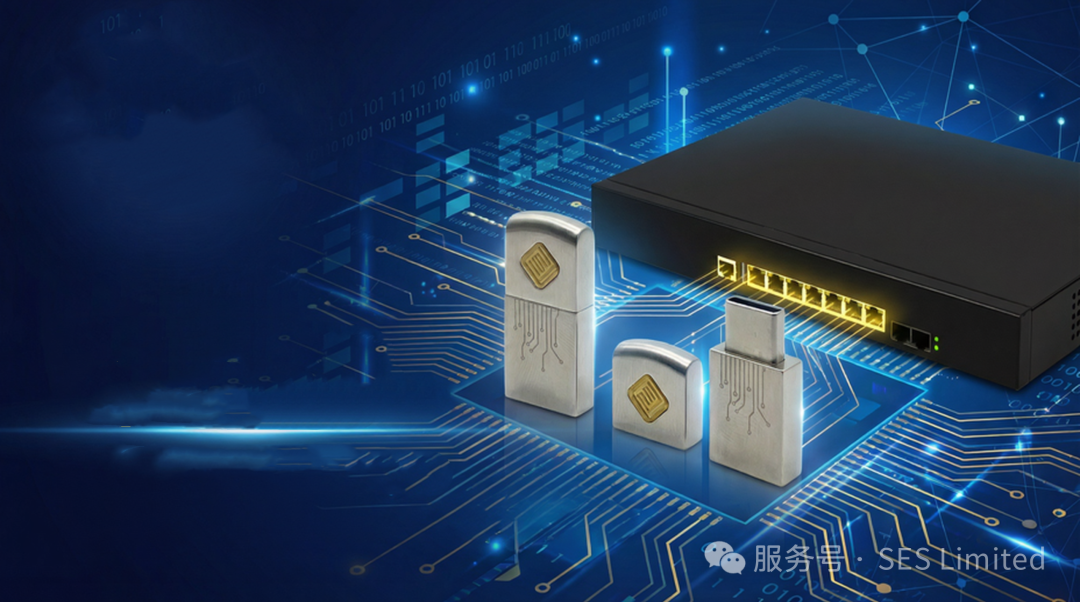
The Digital Vault DVT USBKey is a physical piece of hardware that you can hold in your hand. Access to your organization's core data is bound to this physical device - not on a server, not in a code repository, not anywhere connected to the Internet. Did the attacker get your account password? No. Employee was attacked by a phishing expedition and all your credentials were leaked? No good. A tool like Apifox steals your SSH key? Still no use. Without this physical shield, the door will not open. It's not adding a layer of protection, it's cutting the entire logic of the attack at the root - you can't steal something off the Internet. There are 28.65 million keys out there, waiting to be exploited. Is your company's data safe today? Don't wait for an incident to occur to review what went wrong. Lock your data in a truly secure place, starting today.

DVT Digital Vault - Over 20 years of chip-level encryption technology to accumulate data sovereignty, starting now.